Sheepshead Fishing in Biloxi - Early Morning Charter
Sheepshead and Inshore Species in Biloxi - What to Expect
4.9

7 Reviews
- 5
 86%
- 414%
- 3
 0%
- 20%
- 10%

Fishing Charter by Captain Mark Gay in December
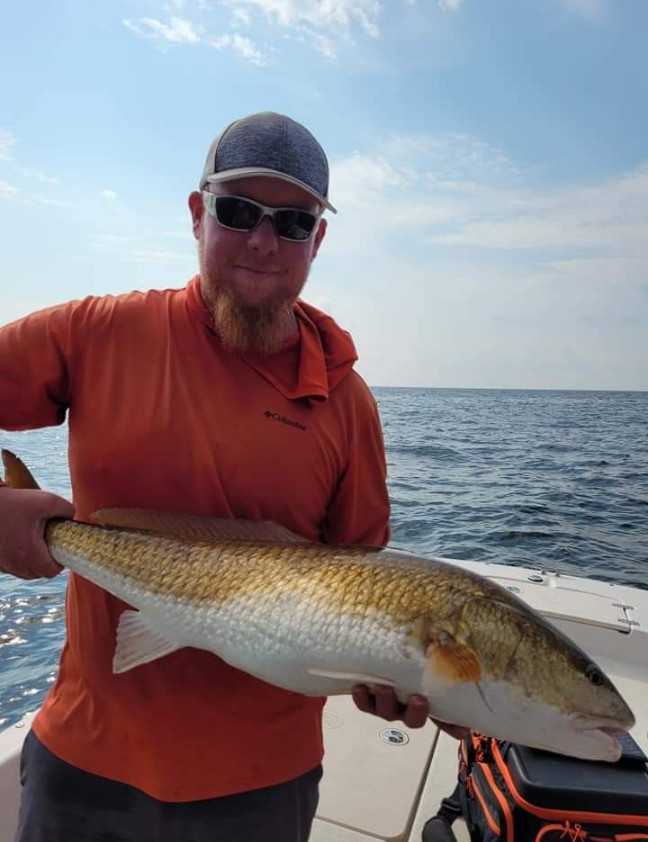
- Unleash Your Angler's Spirit with Biloxi Fishing!


Summary
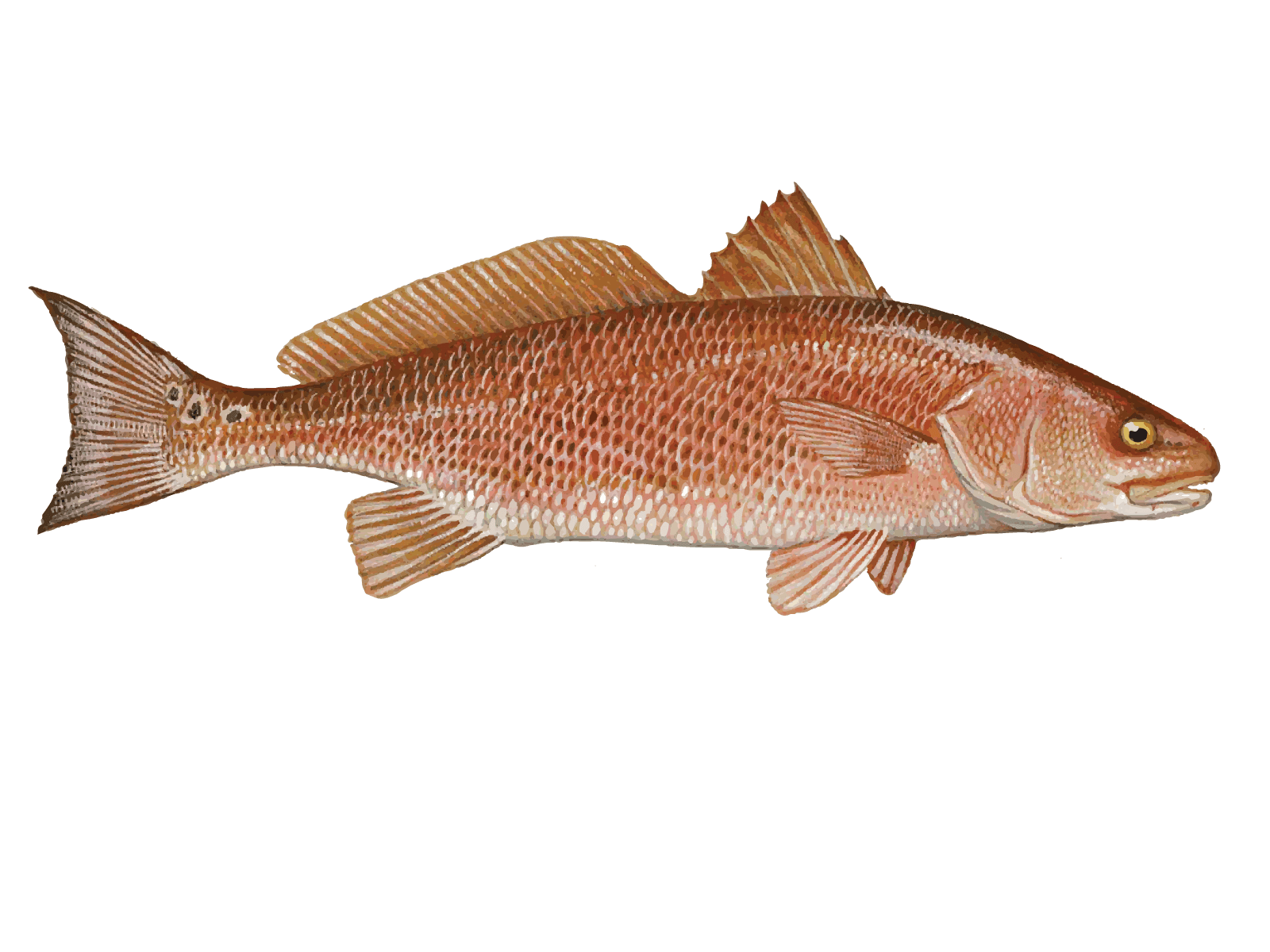
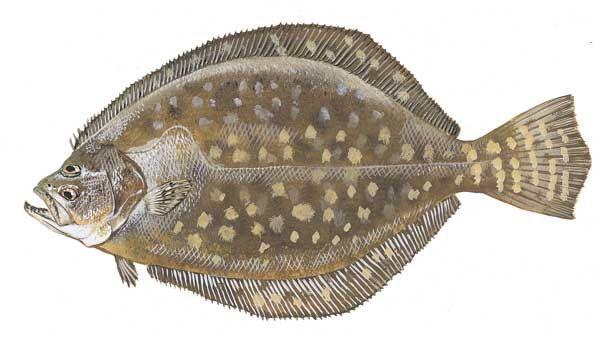
Our early morning fishing charter in Biloxi put us on the water at first light, where we targeted sheepshead, redfish, black drum, and flounder around river mouths and bay bridges. Captain Mark Gay's inshore expertise and steady approach made this 4-hour trip rewarding, with all gear and licenses included for a pair of anglers looking to enjoy calm coastal waters and reliable action.
Inshore Fishing with Captain Mark Gay - Rates & Booking
Captain Mark Gay of Double Hooker Fishing Charters led us out on Friday morning, December 12th for a 4-hour inshore run departing from Bay Shore Drive. This half-day trip accommodates two anglers and includes all fishing gear, tackle, and licenses - everything needed to focus on casting and landing fish. The early light departure puts you at river mouths and bay structures when feeding activity peaks, giving you genuine opportunities to work different presentations and improve your technique while pursuing multiple species in a relaxed, steady-paced environment.
The trip targets redfish, black drum, sheepshead, southern flounder, and seasonal cobia using live bait and artificial setups tailored to current conditions. Captain Mark's approach balances new anglers learning proper casting with experienced fishermen refining their skills. The calm estuarine setting provides an ideal backdrop for this kind of focused, productive fishing. To book your own morning adventure, contact Double Hooker Fishing Charters to secure your date - deposits are required upfront.
Highlights of Explore Biloxi Bays and River Mouths at Dawn
The early morning conditions made all the difference. Cooler water temperatures and lower light levels bring predatory fish actively feeding along structure. We worked around bay bridges and river mouth transitions where the mix of fresh and saltwater creates ideal habitat for sheepshead and black drum. These hard-fighting fish responded well to our setup, and the visual experience of seeing them take live bait kept the action engaging throughout the morning.
What stood out most was the peaceful setting. Biloxi's inshore waters at dawn feel removed from the bustle, even when you're close to the city. The narrow channels and shallow bays give you intimate access to working fish without endless running between spots. This is genuine coastal fishing - methodical, rewarding, and suited for anglers who prefer substance over spectacle.
Local Species Insights: Sheepshead
Sheepshead are one of Biloxi's signature inshore species, and for good reason. These fish are strong, intelligent, and built for feeding on hard structure - their powerful jaws crush shells and crustaceans with ease, which is why they respond so well to live bait presentations around pilings, bridges, and rocky bottom. They're often found in tight groups around the same structure, meaning you can work the same area methodically and raise multiple fish.
What makes sheepshead particularly rewarding is their abundance and predictability in bay systems. They occupy the same habitats year-round, though cooler months often bring better bite conditions. Their behavior is straightforward - they feed heavily during tide changes and low-light hours, which is exactly why a dawn charter positions you perfectly. Unlike some inshore species that require long casting or fast retrieves, sheepshead reward precision, patience, and understanding their feeding zones.
The bay and river mouth environment supports large populations because of the rich invertebrate community. Fiddler crabs, small shrimp, and mollusks form the backbone of the food chain, and sheepshead key in on these natural forage with intensity. You'll encounter them alongside black drum and redfish, species that share similar feeding habits and habitat preferences. The structure-oriented nature of all three makes bay bridge fishing particularly productive - one productive area often holds multiple species.
What we learned throughout the morning is that sheepshead respond to repetition. Working the same pilings or reef structure multiple times often yields better results as fish become more confident. This isn't blind casting - it's targeted, structural fishing that rewards focus and technique. Captain Mark's knowledge of Biloxi's productive zones meant we spent our time on actual fish rather than searching, which is the hallmark of a well-run charter operation.
Plan Your Fishing Day
The 4-hour morning format gives you time to settle into a rhythm without feeling rushed. You'll depart at first light, which in December means an early but manageable start. All fishing gear is provided, so you're just bringing yourself and a willingness to cast and strip line. The boat accommodates two anglers comfortably, which means plenty of space to work without crowding or competing for casting angles.
Dress in layers - early morning on the water stays cool, but it warms as the sun climbs. Bring polarized sunglasses to sight-fish structure and watch for feeding activity. The calm bay setting means minimal sea state, so motion sickness is rarely an issue. Captain Mark manages the pace to match conditions and fish activity, so you get genuine fishing time rather than endless idle-running between spots.
Fishing in Biloxi: Sheepshead
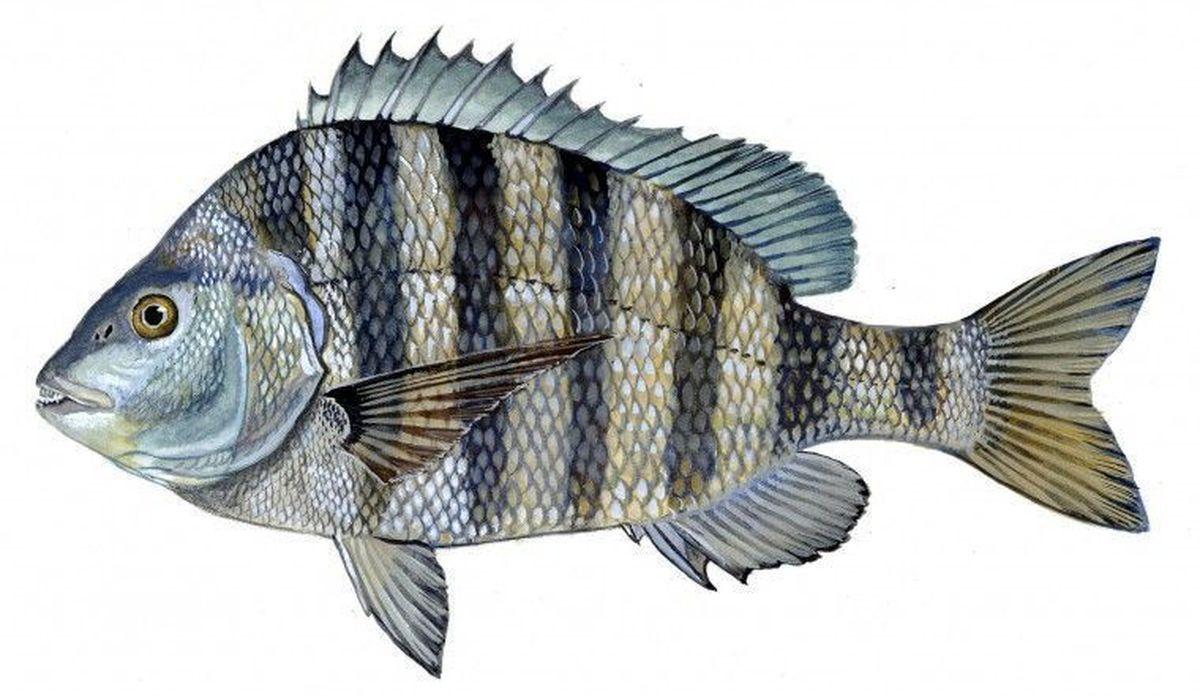
Sheepshead Overview
The Sheepshead (Archosargus Probatocephalus) belongs to the family Sparidae and order Perciformes, making it a distinguished member of the sea bream family found along the Atlantic coast and Gulf of Mexico. This beautifully compressed grey fish is instantly recognizable by its five to seven dark vertical bars running along its sides, a pattern that earned it the colorful nickname 'convict fish.' But what really sets the Sheepshead apart—and often gets a laugh from first-time anglers—are its strikingly human-like teeth, complete with molars perfect for crushing shells and barnacles. These teeth have made Sheepshead a legend in fishing communities from Florida to Nova Scotia, and they're a key reason why landing one is such a memorable experience. Interestingly, Sheepshead Bay in New York was named after these abundant fish, though pollution and development have since caused their populations there to decline dramatically.
Sheepshead Habitat and Distribution
Sheepshead thrive around any structure they can find—docks, bridges, petroleum rigs, jetties, and barnacle-covered pilings are their favorite hangouts. These fish are structure-lovers through and through; you'll rarely find them far from cover, though they'll occasionally venture closer to shore to hunt sand fleas and other crustaceans. The highest concentrations of Sheepshead are found along the entire east coast of the United States, with particularly robust populations from south Florida through the Gulf of Mexico. Northwest Florida sees exceptional numbers thanks to its abundance of artificial structures and pier pilings, making it a hotspot for anglers seeking these elusive fish. They've also been documented as far north as Nova Scotia during warmer months, though they're most abundant in warmer waters year-round.
Sheepshead Size and Weight
Typical Sheepshead range from 1 to 8 pounds and measure 14 to 20 inches in length, making them a rewarding catch for most anglers. However, if fortune smiles on you, these fish can grow considerably larger—trophy specimens have been documented at 20 pounds and 35 inches long. What's truly impressive about Sheepshead is their longevity; these fish can live up to 20 years in the wild, meaning that larger individual you hook could be a veteran of two decades of survival. This combination of size potential and lifespan makes the Sheepshead a respected quarry among serious anglers.
Sheepshead Diet and Behavior
Sheepshead are opportunistic feeders with a particular passion for hard-shelled prey. Their diet consists primarily of barnacles, small stone crabs, and fiddler crabs scraped from pilings and rocky structures, but they also consume shrimp, mollusks, minnows, clams, and squid when available. These fish are notorious bait stealers—they'll nibble delicately at your offering, working to loosen it from the hook with surprising finesse before committing to a full strike. This behavior can be maddening for inexperienced anglers but is part of what makes Sheepshead fishing so exciting and challenging. Once hooked, their powerful mouths and strong jaws require aggressive hook sets to ensure a solid connection. They're also pelagic, meaning they don't always stay at the bottom; they can be found hovering at various depths depending on food availability and water conditions.
Sheepshead Spawning and Seasonal Activity
Sheepshead exhibit fascinating spawning behavior, forming enormous aggregations of up to 10,000 fish that migrate to specific structures during breeding season. These fish move toward channel passes, offshore reefs, jetties, and oil platforms during their spawning period, which primarily occurs in early spring from February through April. Understanding this seasonal movement is crucial for anglers planning trophy hunts, as these spawning aggregations can concentrate fish in predictable locations during these months. Outside the spawning season, Sheepshead remain relatively localized around their preferred structures, making them year-round targets in warmer climates.
Sheepshead Techniques for Observation and Capture
Boat Fishing Method: If you're approaching Sheepshead from a boat, avoid dropping anchor if possible, as the disturbance will spook these wary fish. Instead, position your boat close to the structure—pilings, reefs, or wrecks—and cast your bait as near to the cover as you safely can. Use light tackle and allow your bait to hit bottom, then slowly bring it up in 1-foot increments to determine where the fish are suspended. This vertical exploration is essential since Sheepshead don't always feed on the bottom. Set your bait firmly on the hook to resist their notorious nibbling, and when you feel the weight of a fish working your bait, set the hook with aggression—their powerful jaws require a solid connection.
Shore-Based Method: Dock and seawall anglers can be equally successful by casting their bait as close to pilings as possible, just as boat anglers would. The same vertical jigging technique applies; let your bait work at different depths to locate where the fish are holding. If local regulations permit, consider scraping barnacles off the pilings with a rake to create a scent trail of meat pieces in the water—Sheepshead will zero in on this natural chum and come to you.
Bait and Jig Selection: Natural baits are always your best bet, with shrimp-tipped jigs being an excellent choice when live bait isn't available. The heavier weight of a jig helps keep your presentation near the structure and prevents the current from dragging it away. Around popular fishing destinations in Florida and the Gulf, guides often recommend fiddler crabs and stone crabs as premium options. Fresh shrimp, clams, and squid also work well. Timing your trip for early morning or late evening, when Sheepshead are most active, will significantly improve your odds.
Sheepshead Culinary and Nutritional Notes
Sheepshead is an excellent choice for the dinner table, offering delicate white flesh with a mild, slightly sweet flavor that appeals to most palates. The fish is rich in protein and omega-3 fatty acids, making it a nutritious addition to any diet, and it's notably low in mercury, so you can enjoy it without health concerns. A diet rich in Sheepshead can support heart health by helping to lower blood pressure and reduce the risk of heart disease, while also supporting brain function, boosting immunity, and aiding muscle growth and repair. Whether grilled, baked, or fried, Sheepshead makes an exceptional meal. However, be warned: their tough scales and strong fin spines make cleaning and filleting challenging, which is why some anglers pass them over in favor of easier-to-prepare species. If you're willing to put in the effort or have a skilled filleting knife, the reward is absolutely worth it.
Sheepshead Frequently Asked Questions
Q: What is the best bait for catching Sheepshead?
A: Natural baits are always superior to artificials. Fiddler crabs, stone crabs, fresh shrimp, clams, and squid are all excellent choices. If you prefer jigs, a shrimp-tipped jig works exceptionally well because the extra weight keeps your bait near the structure where Sheepshead feed. Always set your bait firmly on the hook—these fish are expert bait stealers and will nibble away at loose offerings.
Q: Where can I find Sheepshead near major fishing destinations?
A: Sheepshead are found throughout the east coast, with exceptional concentrations from south Florida through the Gulf of Mexico. Look for them around docks, piers, jetties, bridge pilings, offshore reefs, wrecks, and oil platforms. Northwest Florida is particularly productive thanks to its numerous artificial structures. Any barnacle-encrusted piling is a potential hot spot.
Q: Is Sheepshead good to eat?
A: Absolutely. Sheepshead offers delicate, mild white flesh that's excellent for grilling, baking, or frying. It's a healthy source of protein and omega-3 fatty acids, and it's low in mercury. The main challenge is cleaning and filleting due to their tough scales and strong spines, but the culinary reward justifies the effort.
Q: When is the best time to catch Sheepshead?
A: Early spring, February through April, is peak spawning season when massive aggregations gather around structures—this is prime time for trophy hunters. Outside spawning season, Sheepshead are year-round residents in warm waters. Fish early morning or late evening for best activity levels, and target deeper structures during the heat of the day.
Q: How should I set the hook when a Sheepshead bites?
A: Set the hook aggressively with a sharp upward jerk. Sheepshead have powerful mouths and jaws, and a timid hook set will often result in a lost fish. Once you feel the weight of the fish working your bait, don't hesitate—drive that hook home firmly.
Q: What size Sheepshead should I expect to catch?
A: Most Sheepshead caught by anglers range from 1 to 8 pounds and measure 14 to 20 inches. Trophy fish can exceed 20 pounds and reach 35 inches, though these are less common. The average is typically in the 2 to 5 pound range, making them a satisfying catch that's still manageable for most anglers.
More species you can explore on this trip
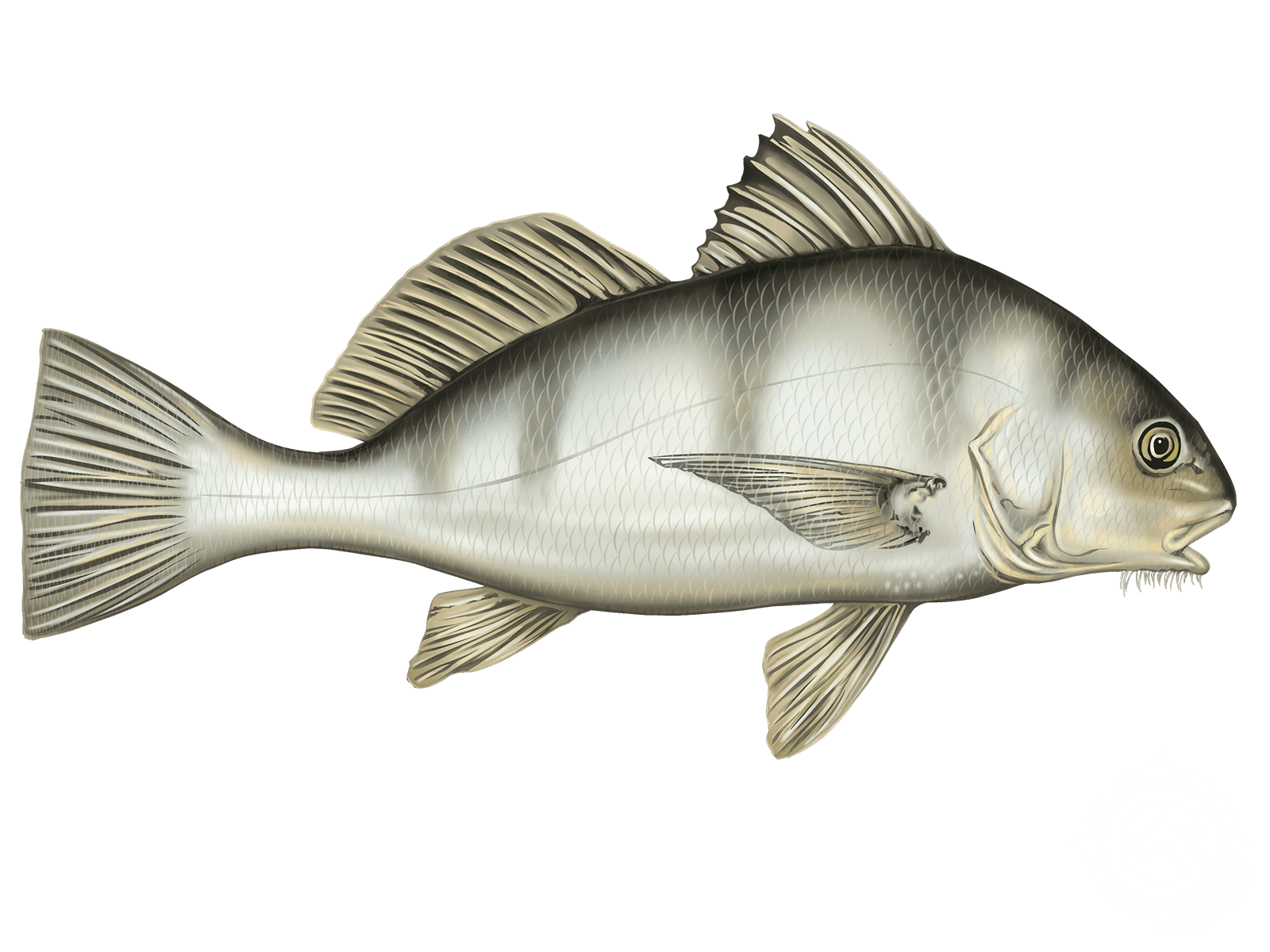
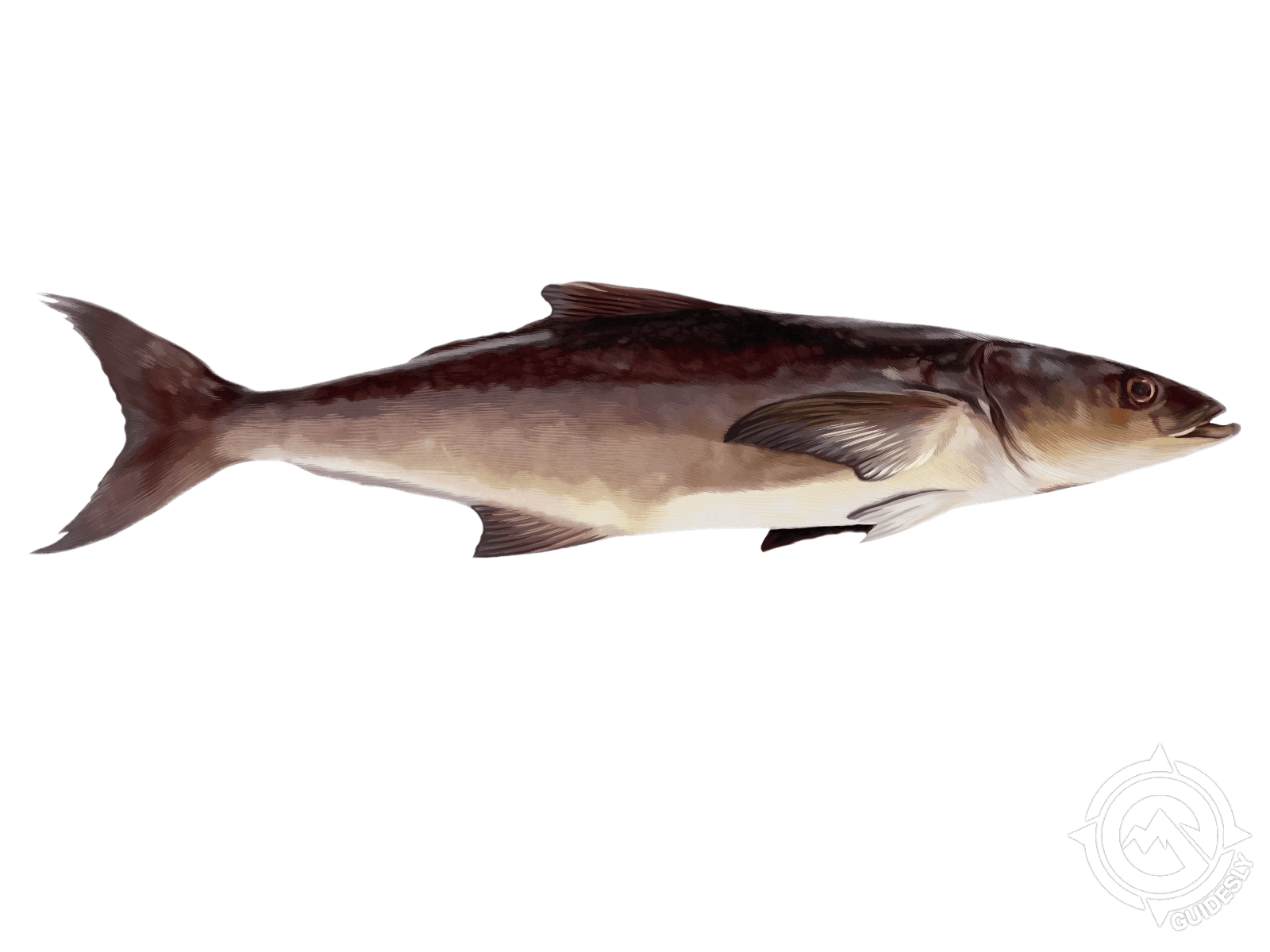
Other customer memories from this trip
The boat gives you a comfortable working platform sized for two anglers without feeling cramped. You've got plenty of room to cast from different positions around the deck, and the design keeps things stable in the calm bay waters where you'll be fishing. Everything you need is organized and accessible - rods, tackle, and bait are laid out so you can focus on fishing rather than digging through equipment. The early morning runs feel smooth and purposeful, with Captain Mark positioning you on productive structure without the sense of constant running around. You notice the boat is set up specifically for inshore work - shallow draft, quiet running, and good sight lines to the water so you can see what's happening around structure and bridges. The overall vibe is relaxed but purposeful, built around actually catching fish rather than burning gas to cover distance.